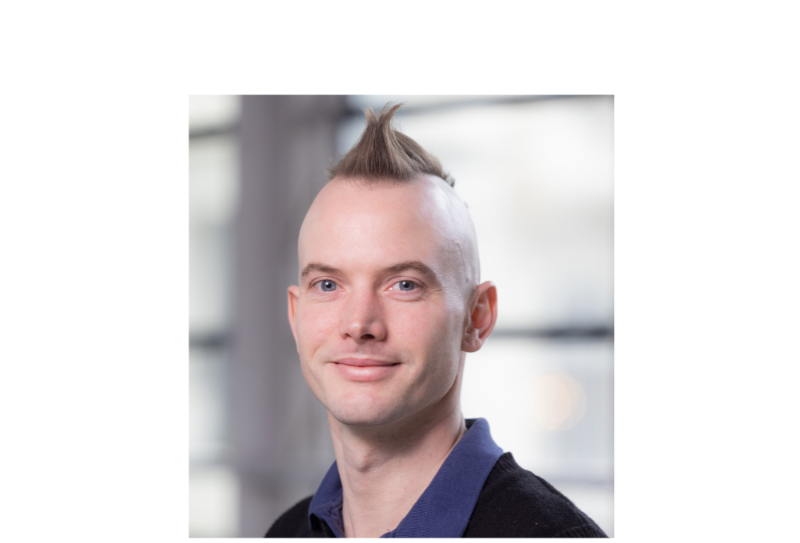
I’m Dr Luke E Muscutt, an aerospace engineer, biomechanist and freelance creative with a fascination for how nature solves engineering problems.
My path took me from aerospace engineering at the University of Sheffield to a PhD in biomechanics at the University of Southampton,
where I studied the hydrodynamics of plesiosaurs, the ancient marine reptiles that swam with four powerful flippers.
PROJECT FLIP
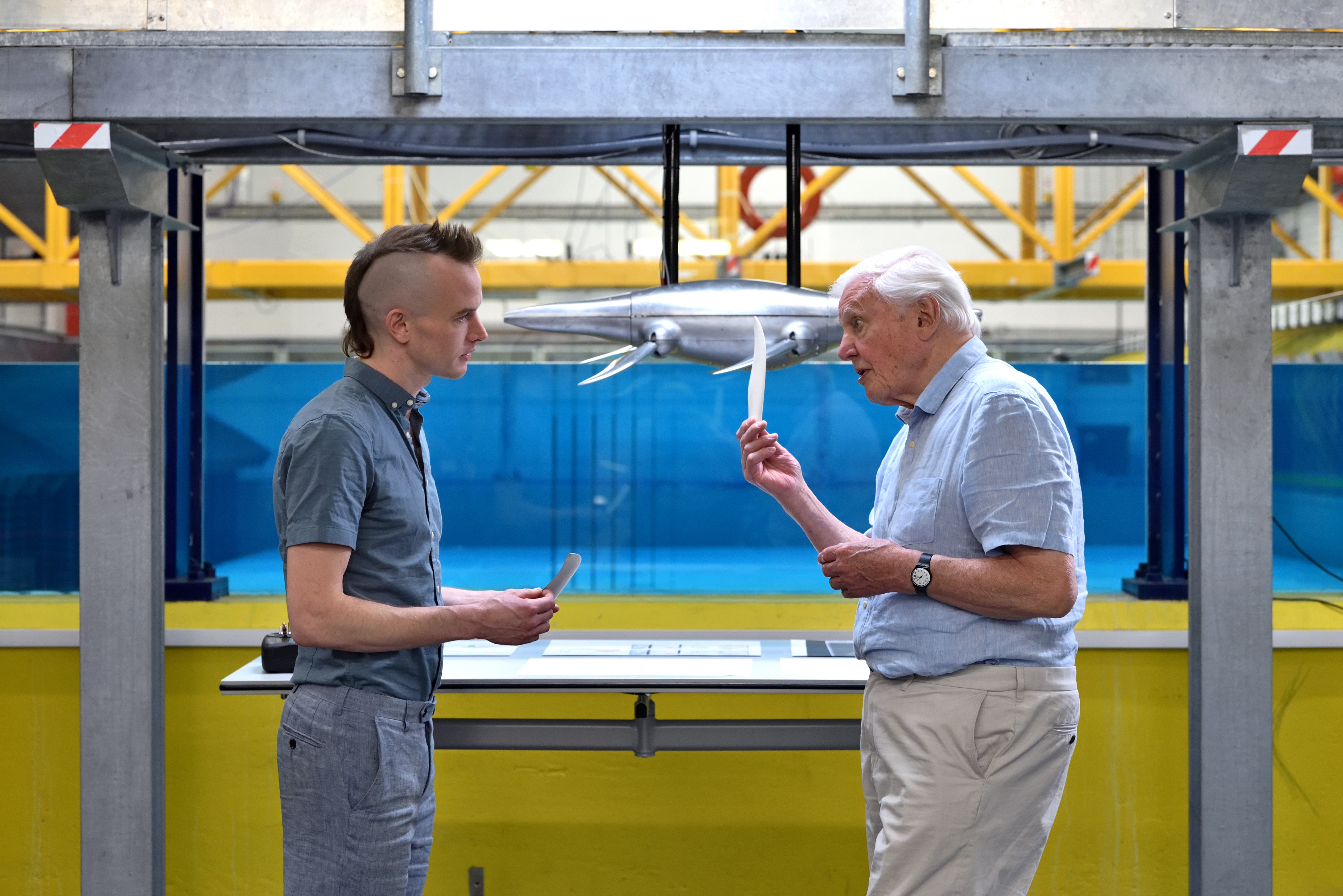
FLIP was built to answer a deceptively simple question: how did plesiosaurs really swim? By combining biomechanics, hydrodynamics, engineering design, and experimental testing, the project transformed palaeontological theory into a working robotic system.
The project became a centrepiece of the BBC programme Attenborough and the Giant Sea Monster , where Sir David Attenborough joined FLIP for its first swim.
It is a clear example of the way I work: rigorous research, practical engineering, and strong public engagement brought together in one project.
How I Can Help
My work sits at the point where research, engineering, and communication meet. Whether you are looking for technical input, a speaker, or a way to engage students with real science, the site is organised around three main areas.
Research & Projects
Explore work in biomechanics, hydrodynamics, robotics, and bio-inspired engineering, including research platforms, experimental systems, and applied technical development.
Explore ProjectsEducation & Outreach
Interactive school sessions, STEM days, workshops, and talks that connect biology, physics, and engineering through real examples and live demonstration.
View Education ProgrammesEngineering Support
Practical support across concept development, CAD, prototyping, electronics, coding, analysis, and testing for research-led and bespoke engineering work.
Enquire About Engineering SupportAerospace engineering, biomechanics, and bio-inspired design
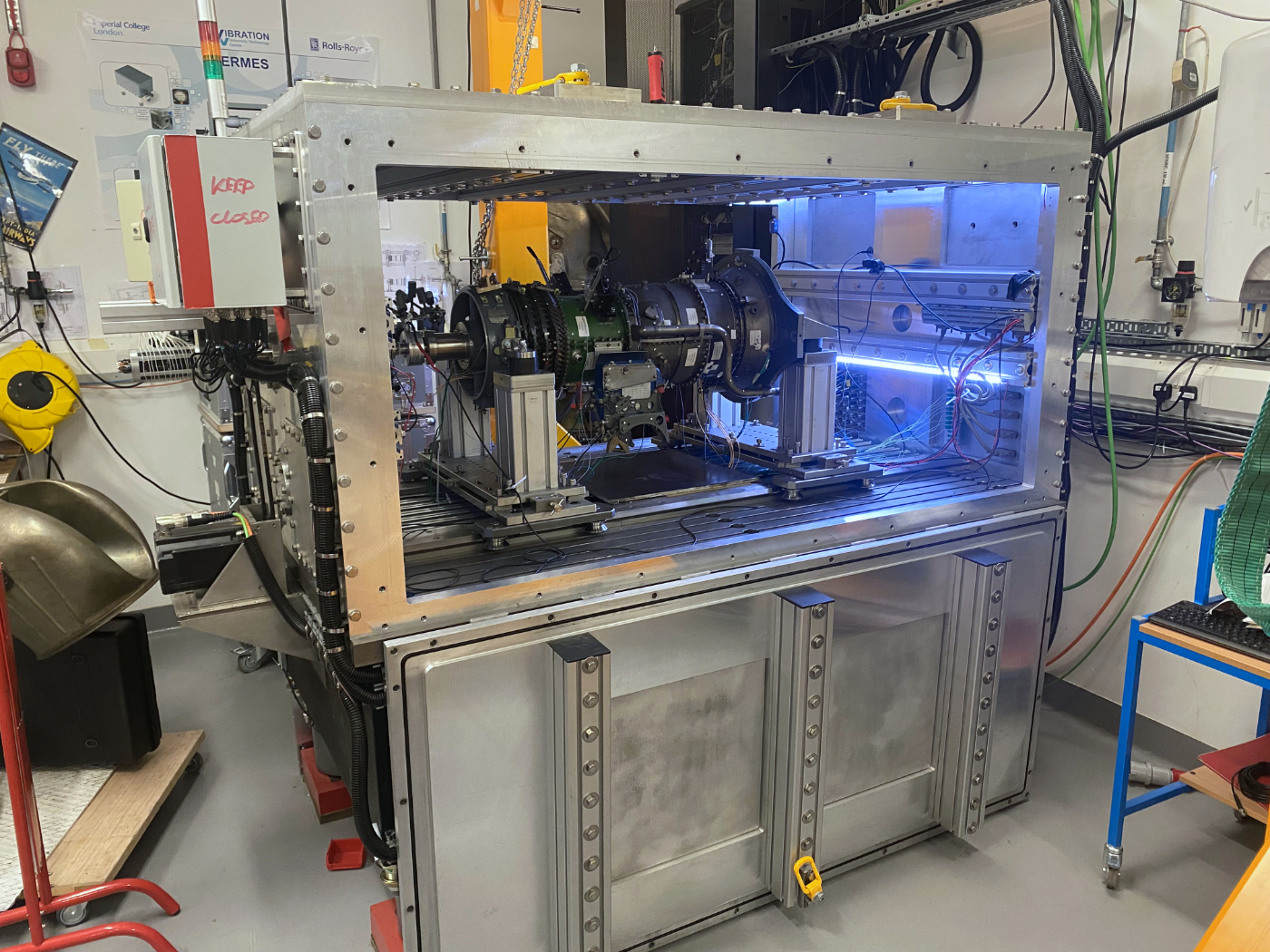
My path has taken me from aerospace engineering into biomechanics and the study of how living systems move through air and water. That includes research into plesiosaur hydrodynamics, robotic reconstruction, and broader questions about how natural systems can inform engineering design.
Alongside research, I work on technical development and science communication, helping translate complex ideas into practical engineering solutions, engaging demonstrations, and accessible public-facing work.
This combination of research, design, and communication is central to what I do.
View Research & Portfolio
Science and engineering that students can actually see
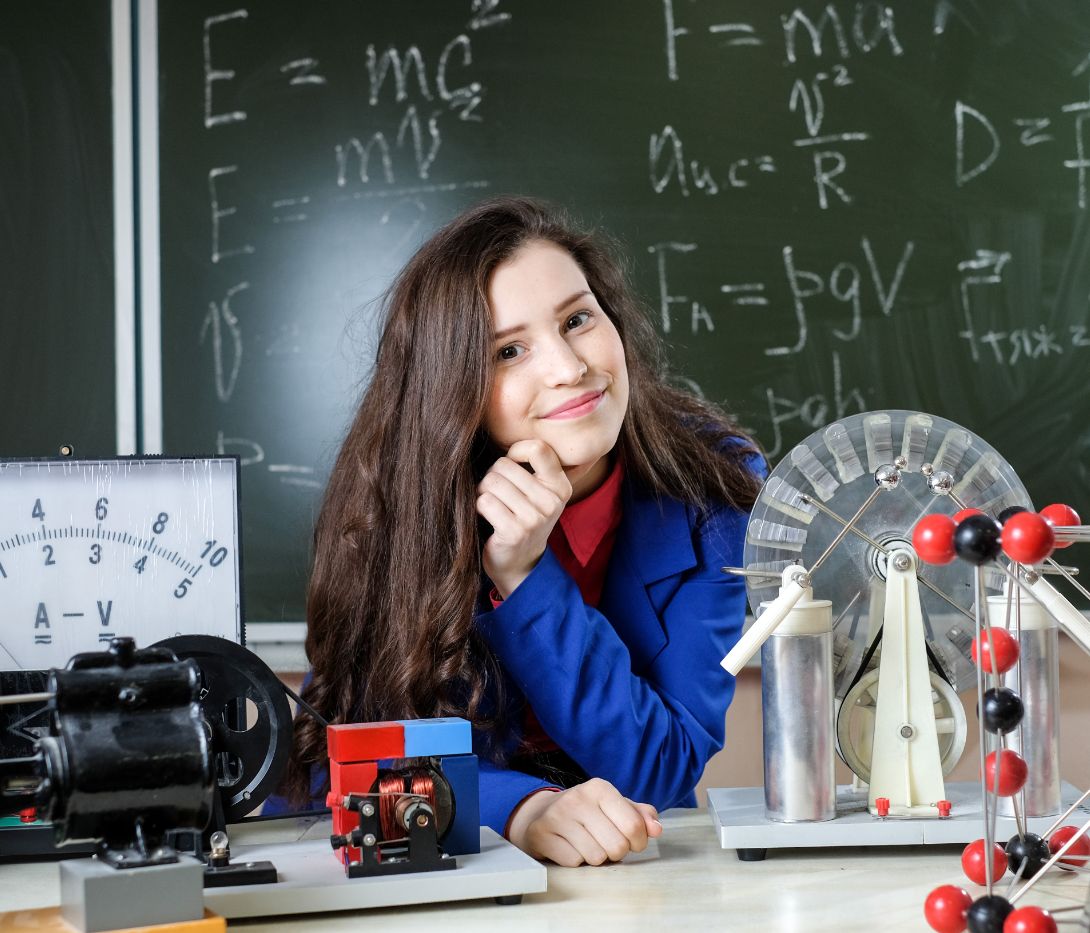
I deliver sessions for students aged 10 to 18 that use real research, practical examples, and live discussion to make science and engineering feel tangible. Topics can include evolution, biomechanics, robotics, physics, and how engineers learn from nature.
Sessions can be adapted for assemblies, enrichment days, STEM weeks, classroom workshops, and targeted subject support. The aim is not simply to present information, but to help students think like scientists and engineers.
Find Out More About Education & OutreachInterested in a project, collaboration, or school visit?
Whether you want to discuss engineering support, invite a STEM session, or explore a research-related collaboration, I would be pleased to hear from you.