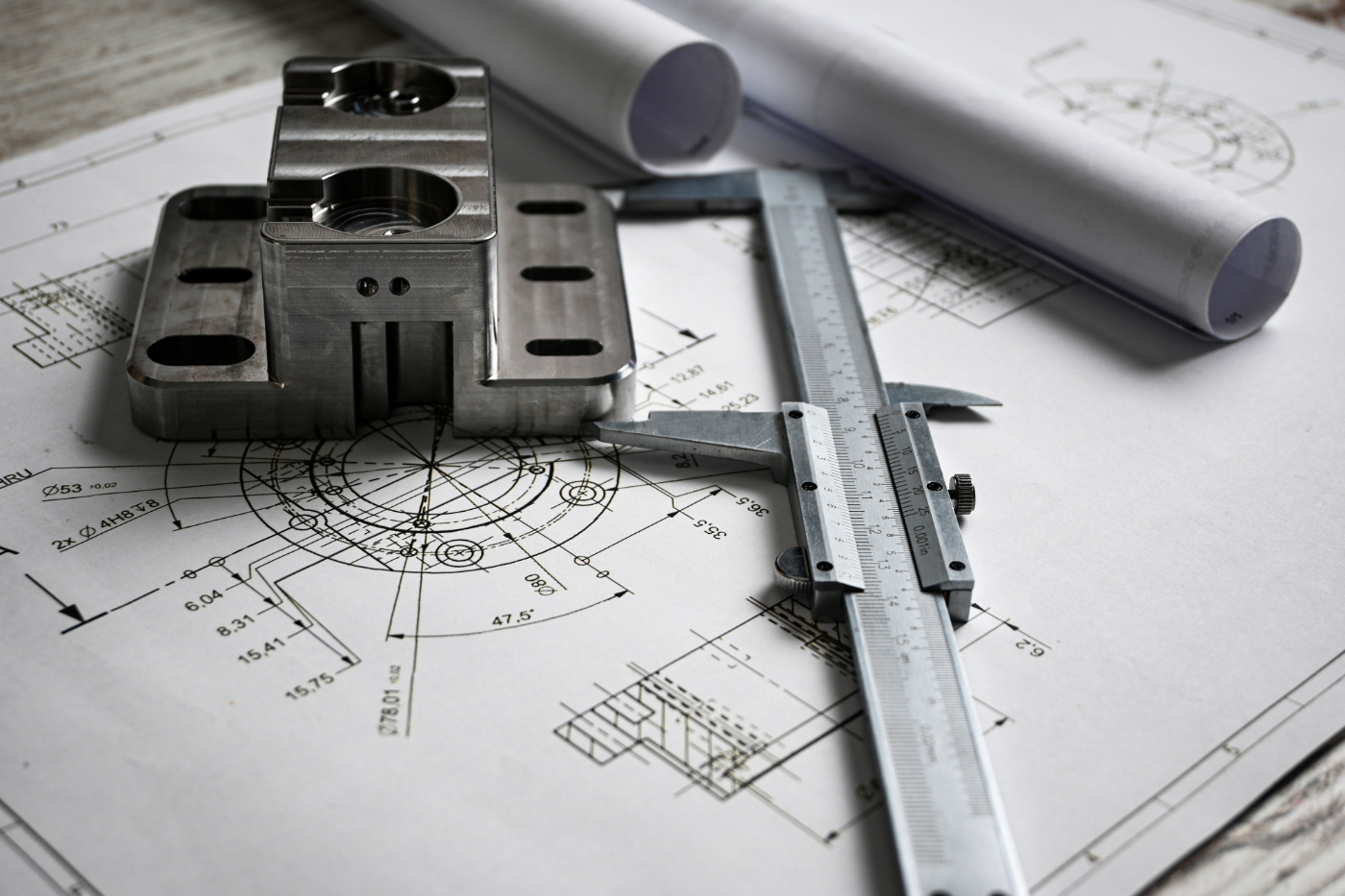
Introduction to Design for Manufacture
A practical, industry-focused talk on how engineers adapt designs for efficient, reliable production, exploring real case studies and the balance between performance, cost, and manufacturability.
Talk: Yes | Workshop: Yes | Course: No | Audience: Sixthform, College, Undergraduate, Graduate, Professional
Design for Manufacture (DfM) is a core principle in engineering design, ensuring products are optimised not only for performance and functionality, but also for efficient, reliable and economical production. This talk explores how manufacturing constraints shape design decisions from concept stage through to scale-up, covering topics such as material selection, tolerancing, process capability, design standardisation, assembly strategy (DfA), and quality and cost trade-offs. Using industrial case studies, we will examine how design choices influence manufacturability across processes including machining, casting, injection moulding, sheet metal fabrication and additive manufacturing, and how engineers balance engineering intent with production realities. The session is aimed at university-level students seeking practical insight into translating design into manufacturable solutions and building industry-ready engineering judgement.