The Science of Swimming
Physics, Evolution, and the Art of Moving Through Water
Talk: No | Workshop: No | Course: No
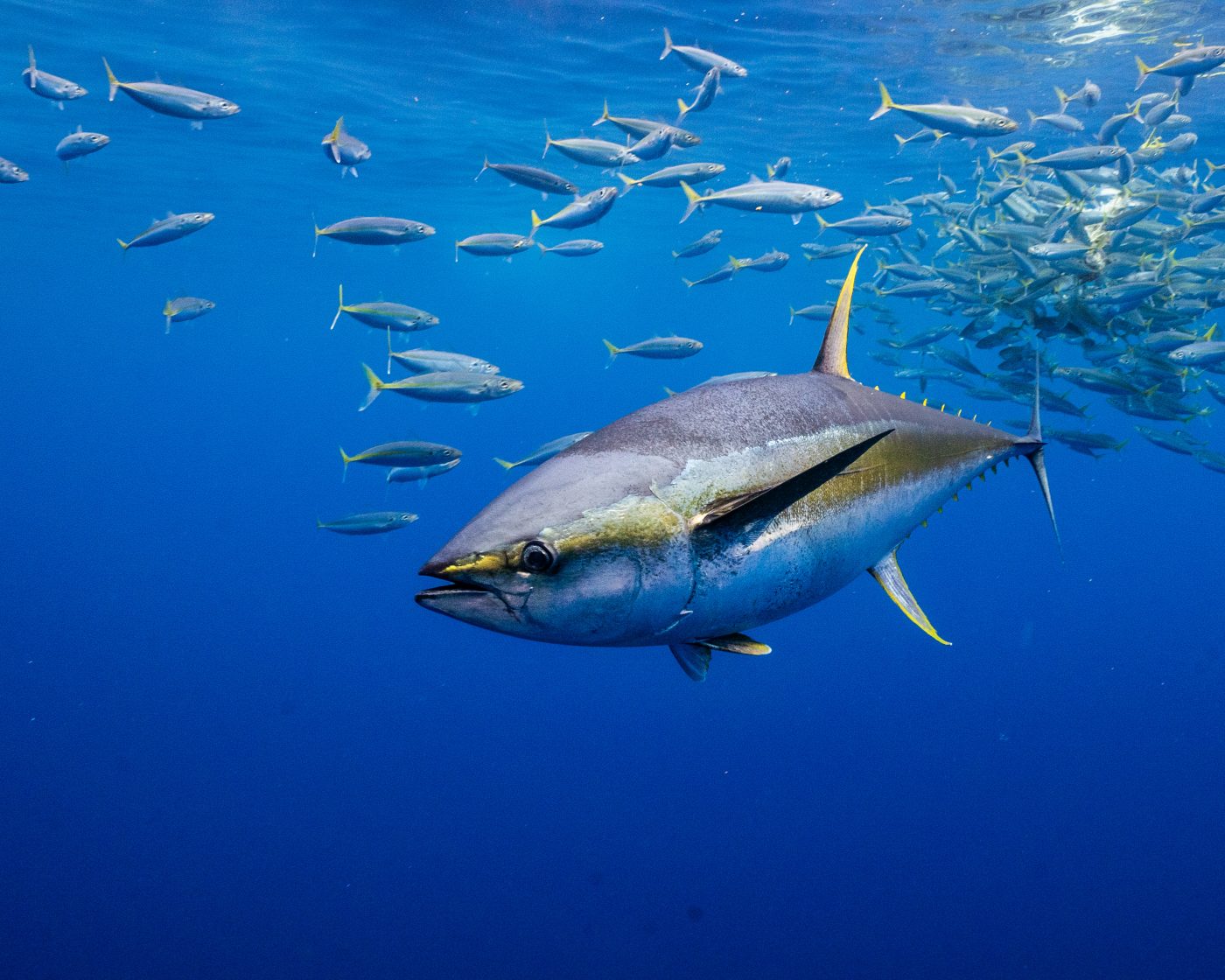
How do animals move so efficiently through water and why do they do it in such different ways? This talk explores the fascinating intersection of biology, physics, and evolution through the lens of swimming animals. From the undulating bodies of eels to the powerful tail beats of dolphins and the jet propulsion of squid, we will compare the diverse strategies animals use to navigate aquatic environments.
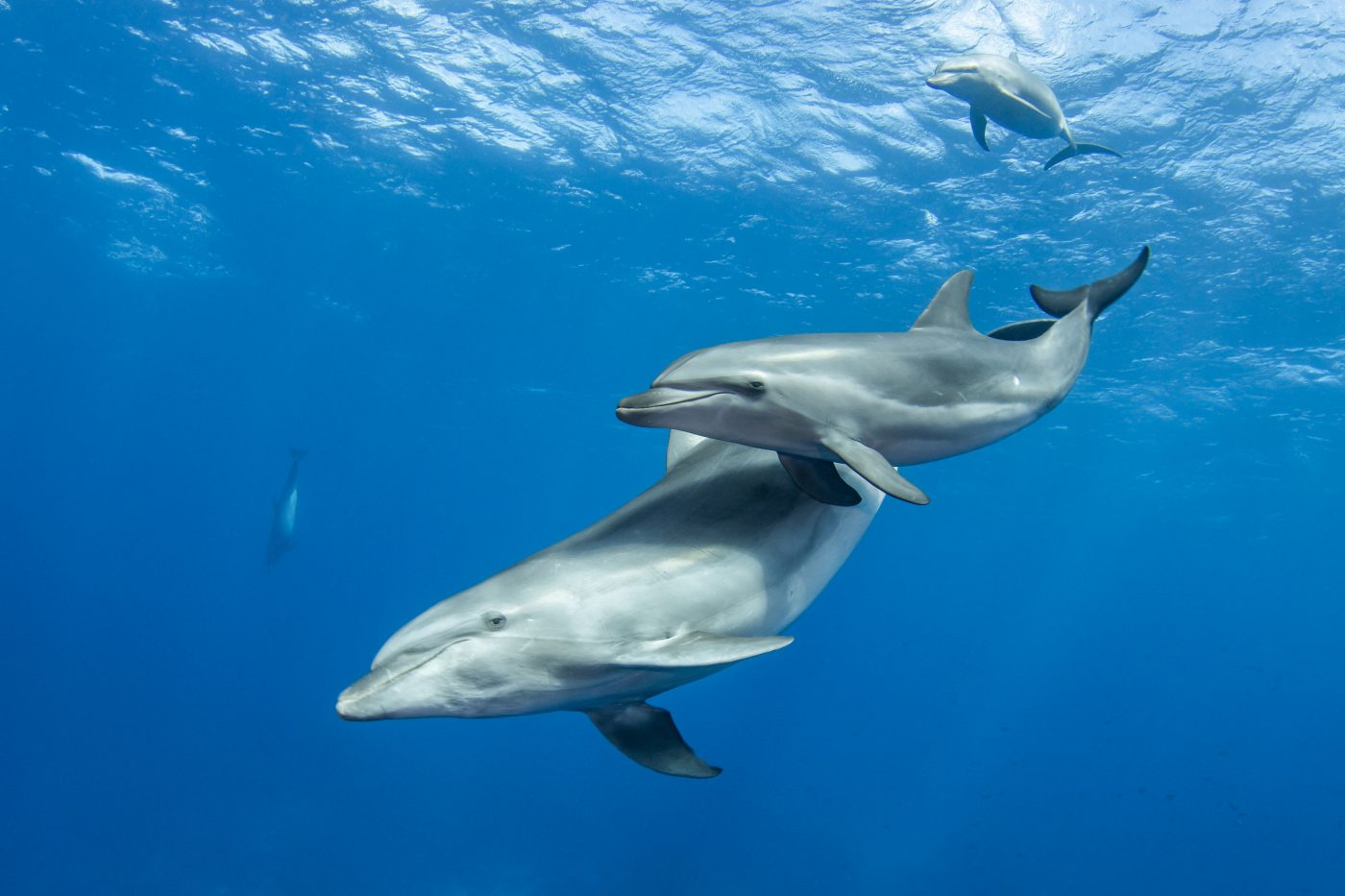
At the heart of these differences lies hydrodynamics: the forces of drag, lift, and thrust that govern motion in water. We will examine how various swimming modes such as anguilliform (whole-body undulation), carangiform (tail-driven propulsion), and oscillatory fin movement interact with these forces to optimise efficiency, speed, or maneuverability. By comparing species across fish, marine mammals, and invertebrates, the talk highlights how similar physical constraints can lead to strikingly different solutions.
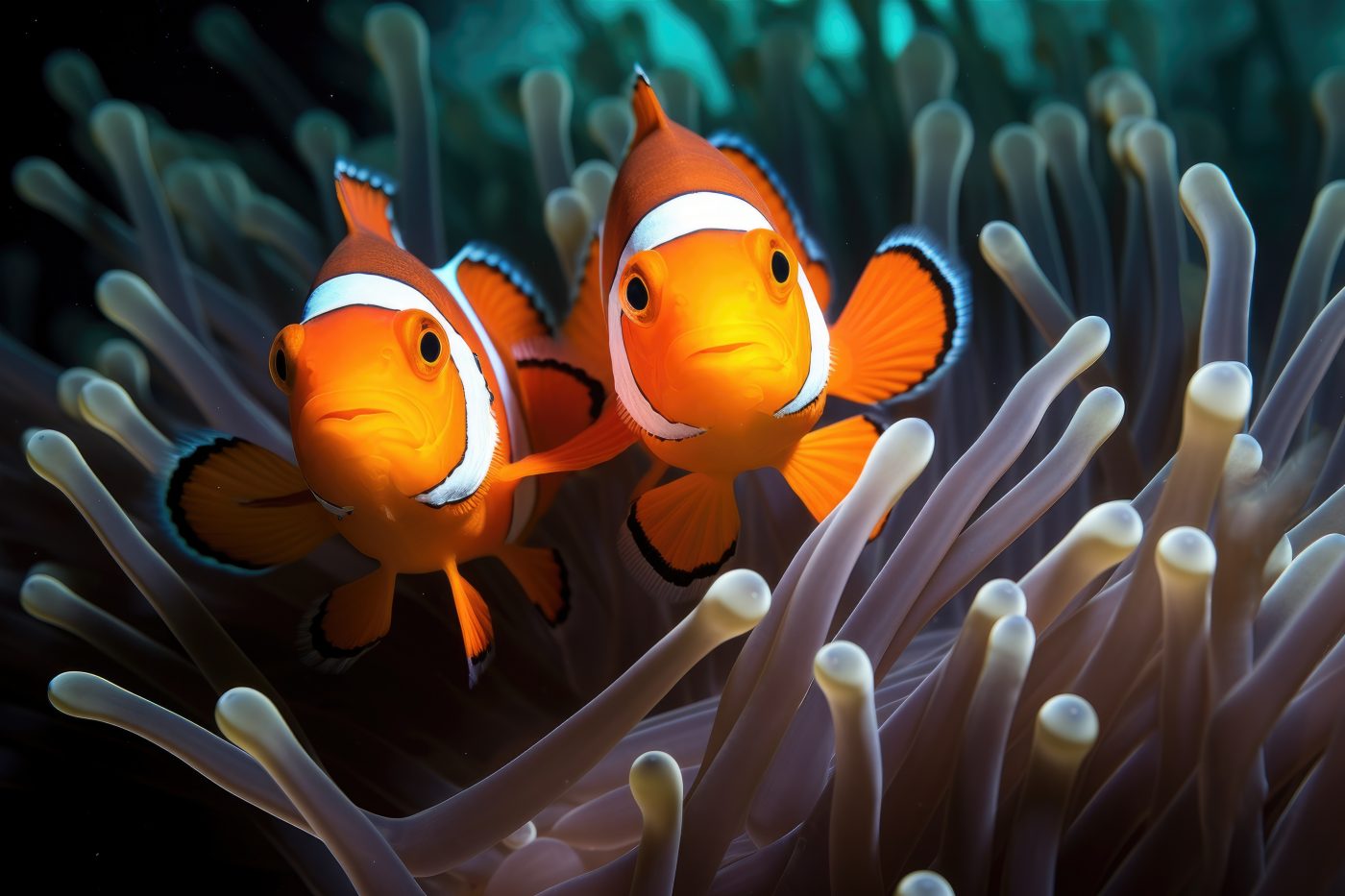
Crucially, these strategies are not just products of physics but of evolutionary history. Body shape, muscle distribution, and movement patterns all reflect adaptations shaped by millions of years of natural selection. We will explore how lineage and environment influence swimming style, for example, why tuna are built for sustained high-speed cruising, while reef fish prioritize agility, and how mammals returning to the sea reinvented propulsion using ancestral limb structures.
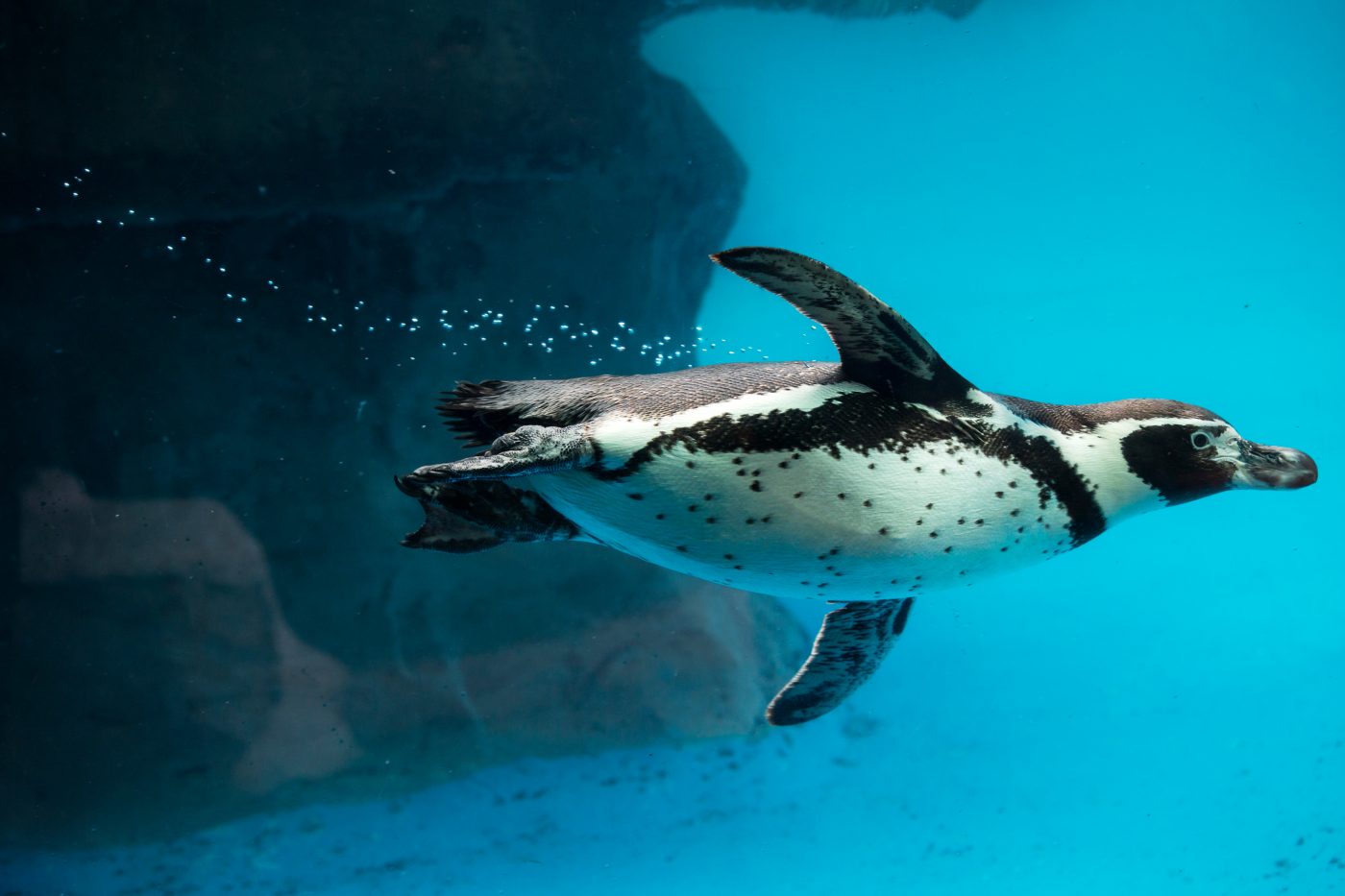
By integrating biomechanics with evolutionary biology, this talk offers a deeper understanding of how life has diversified in water, and how studying these systems can inspire innovations in engineering, robotics, and human swimming techniques.