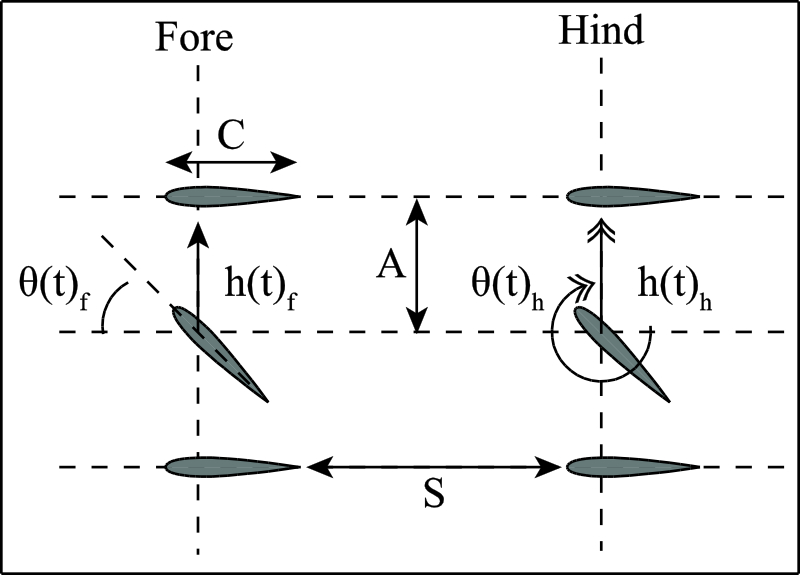
Hydrodynamics of Plesiosaurs
An engaging look at the 200-year scientific quest to understand how four-flippered plesiosaurs swam, featuring the history of research and new insights .
Talk: Yes | Workshop: No | Course: No | Audience: Public, Families, Primary School, High School, Sixthform, College, Undergraduate, Graduate, Professional
Plesiosaurs are the only animals known to have four large flippers, yet exactly how they used them remained a mystery that puzzled palaeontologists for over 200 years. Early interpretations ranged from turtle-like rowing to penguin-style underwater flight, with each new fossil discovery and biomechanical study adding another piece to the puzzle. Their unusual body plan challenged scientists to rethink familiar ideas about swimming, propulsion, and evolution in marine reptiles.
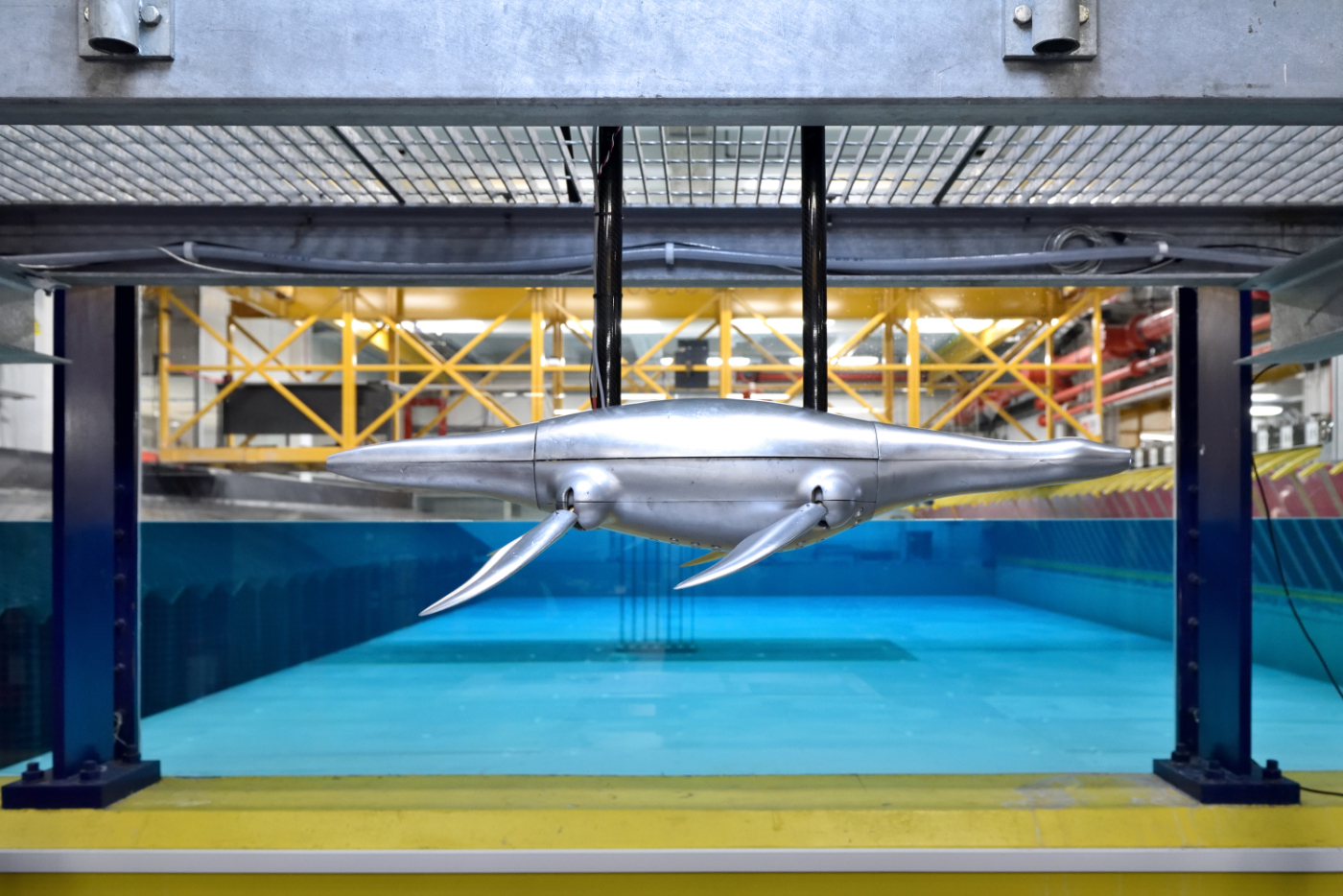
This engaging talk traces the fascinating history of plesiosaur swimming research, showing how scientific understanding has evolved from early artistic guesses to modern engineering-based analysis. It explores how changing technology—from anatomical comparison to fluid-dynamics modelling—allowed researchers to test competing hypotheses about how these animals moved through water, and why earlier assumptions sometimes proved wrong. Along the way, it highlights the key discoveries, debates, and breakthroughs that shaped current thinking.
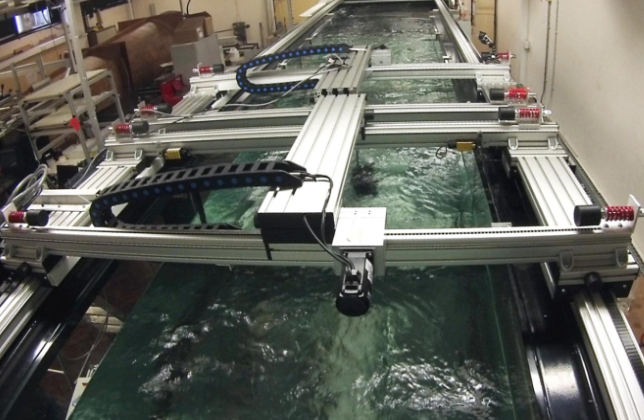
The talk also presents insights from Luke’s own research and how it contributes to solving the long-standing mystery of plesiosaur locomotion. By combining palaeontology with engineering principles, he demonstrates how careful analysis of fossil anatomy, motion mechanics, and hydrodynamics can reveal not just what these animals looked like, but how they actually lived and moved. The result is a vivid, science-driven reconstruction of one of prehistory’s most distinctive swimmers.