Wings Beneath the Waves:
The Hydrodynamics and Evolution of Swimming Penguins
Talk: Yes | Workshop: No | Course: No
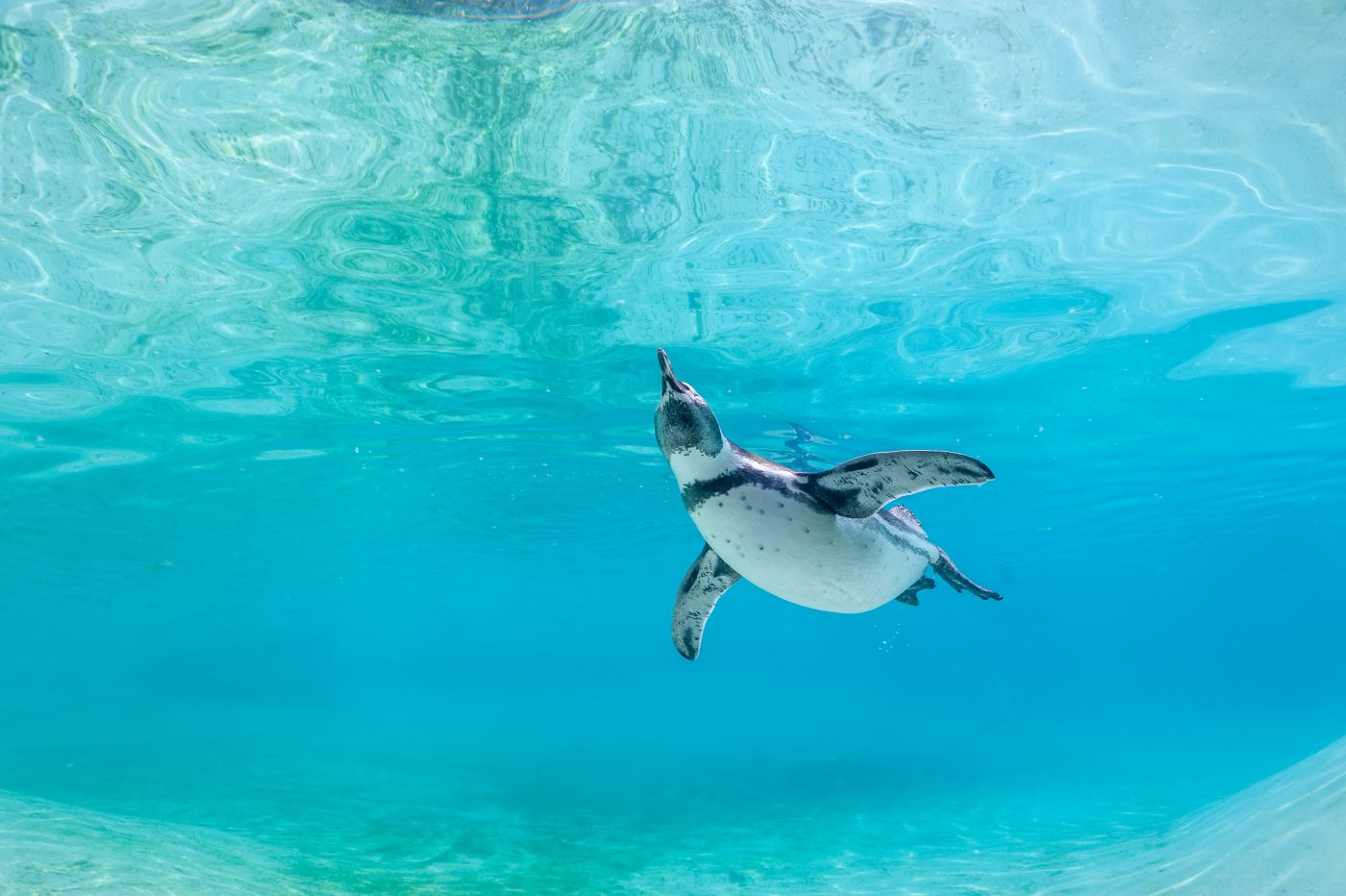
Penguins are often celebrated for their awkward waddling on land—but beneath the surface, they transform into some of the most agile and efficient swimmers in the animal kingdom. How did a group of flightless birds evolve into such extraordinary underwater “fliers”?
This talk explores the remarkable hydrodynamics of penguins, revealing how evolution has reshaped the anatomy of birds to master life in water.
This talk explores the remarkable hydrodynamics of penguins, revealing how evolution has reshaped the anatomy of birds to master life in water.
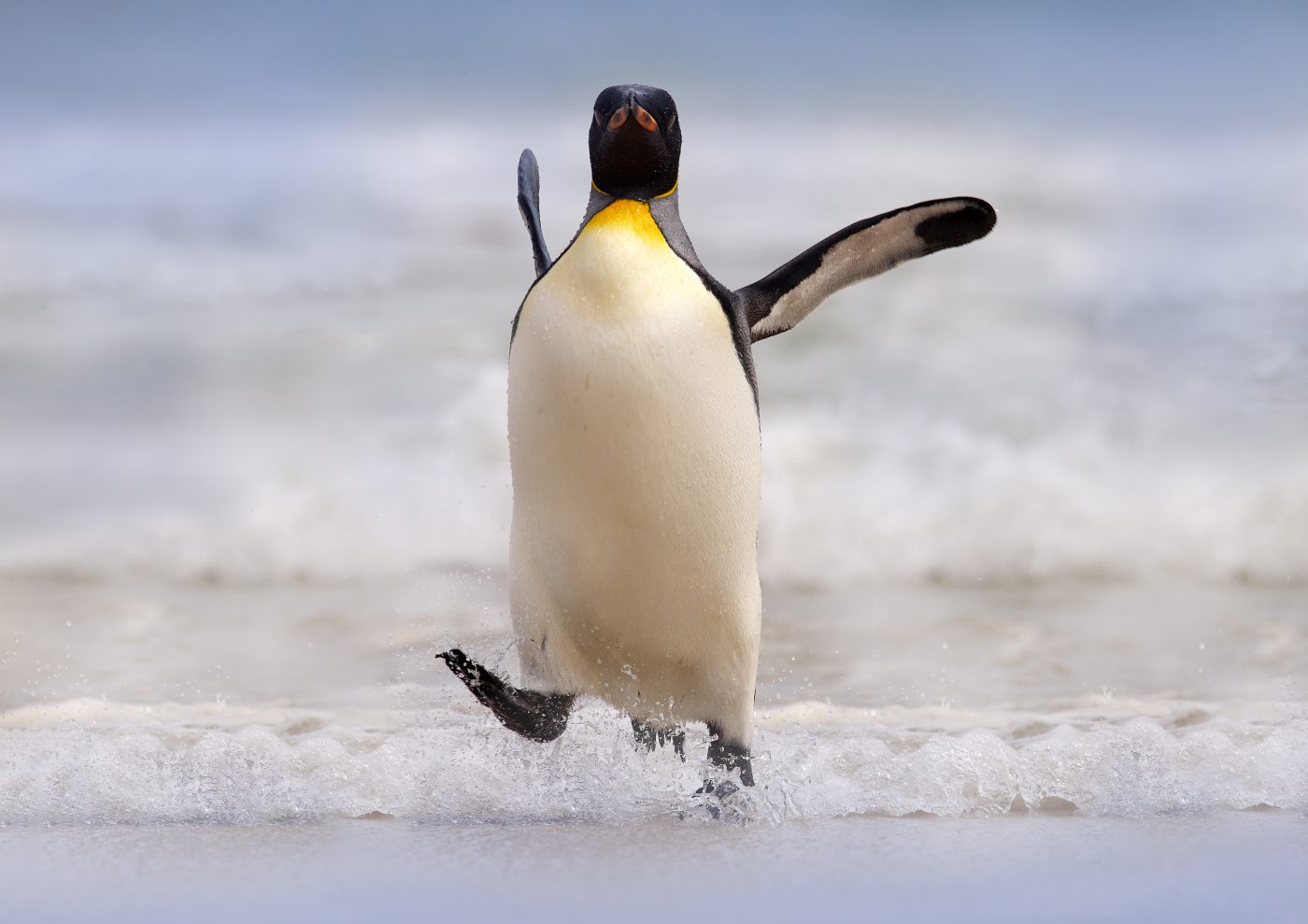
Unlike most swimming animals that rely on tails or body undulations, penguins use wing-driven propulsion, effectively “flying” through water with powerful, oscillating flippers. We will examine how their stiff, tapered wings generate lift and thrust, and how this mode of locomotion compares to both aerial flight and the swimming strategies of fish and marine mammals.
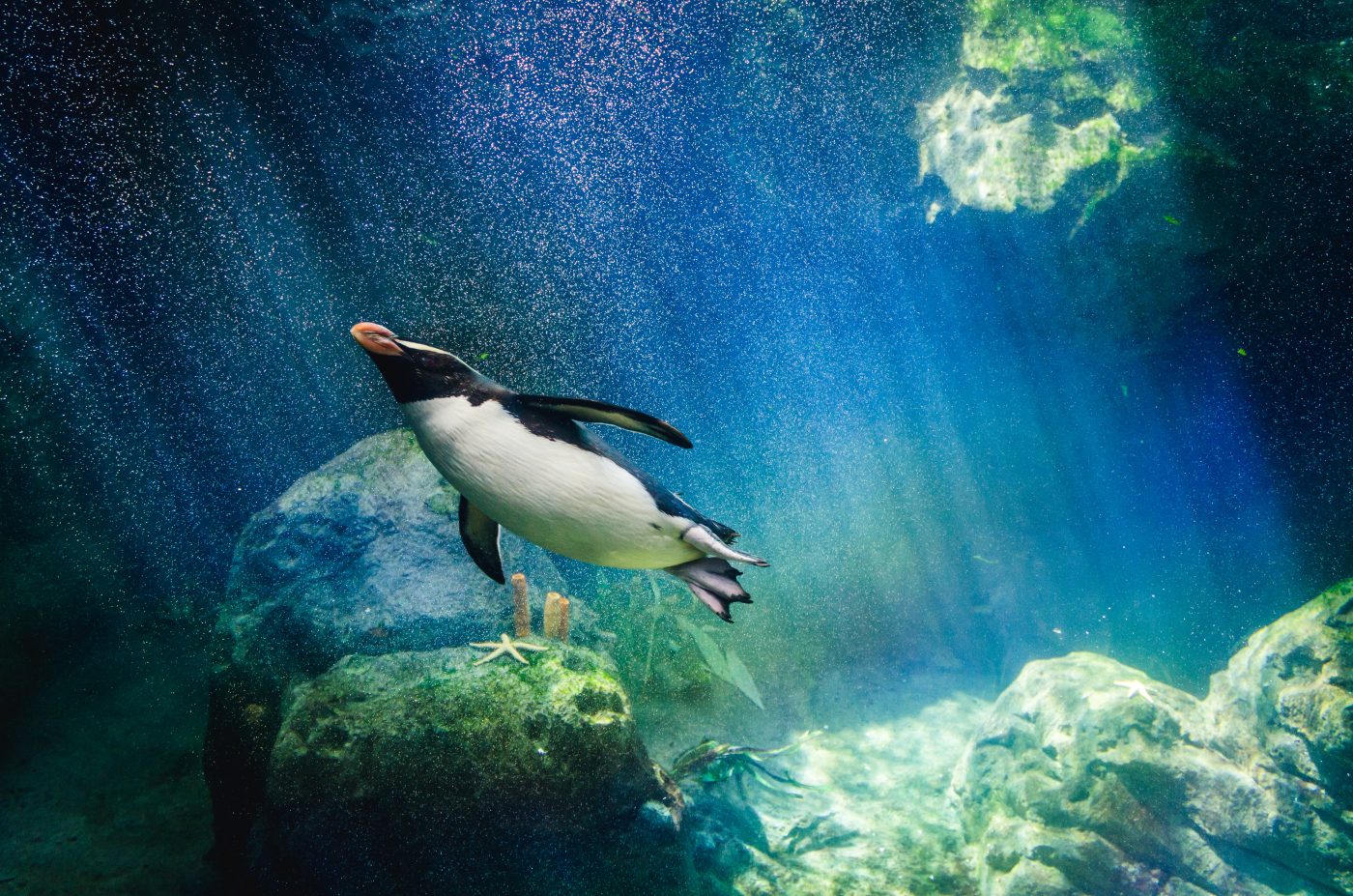
Central to this story is the evolutionary trade-off between air and water. Penguins descend from flying ancestors, yet over millions of years their wings became shorter, denser, and more rigid—optimized for propulsion in a dense fluid at the expense of aerial capability. We will explore how changes in bone structure, muscle distribution, and feather architecture reduce drag, enhance streamlining, and enable high-speed pursuit of prey in cold, turbulent seas.
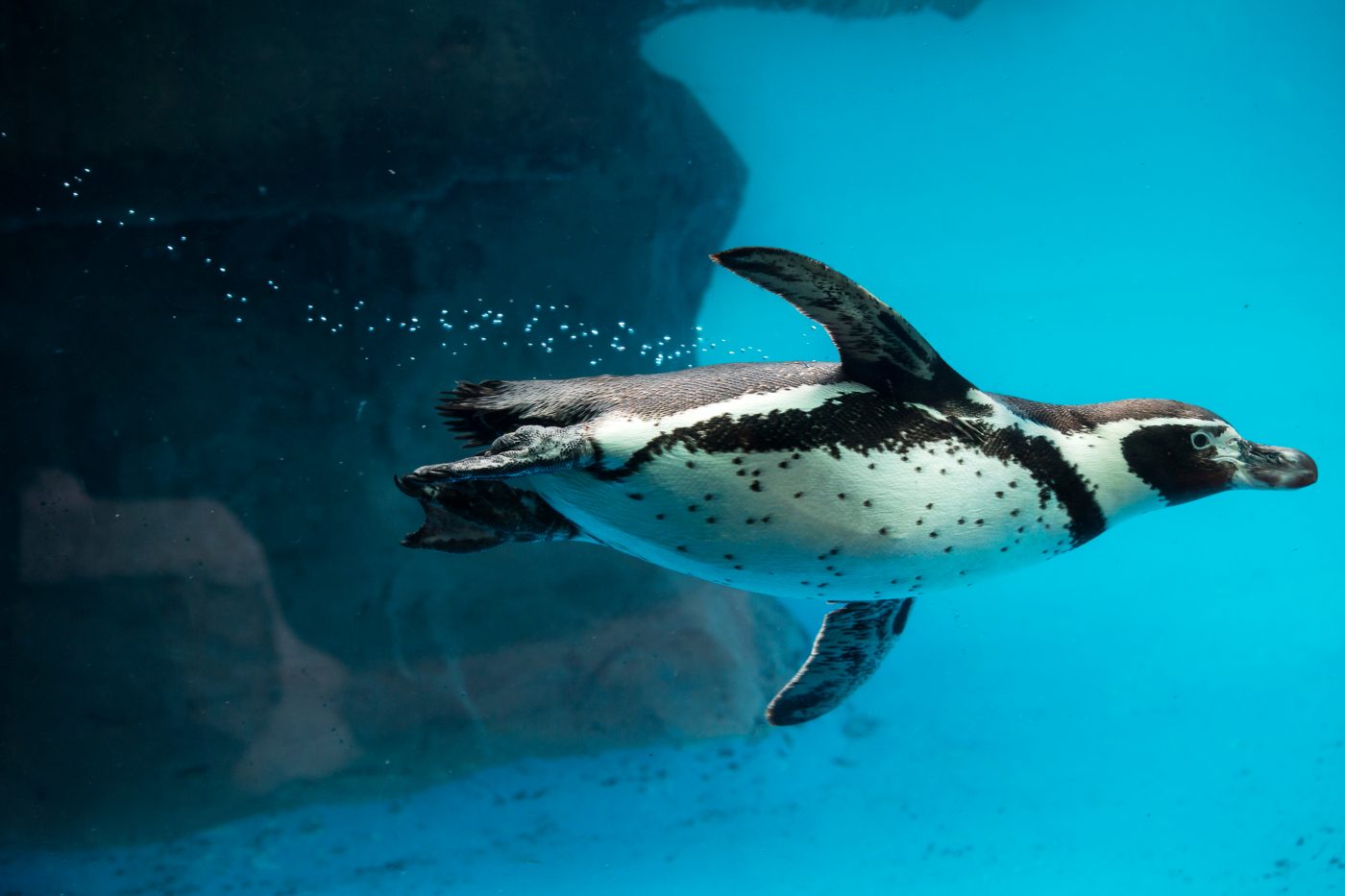
By combining biomechanics, fluid dynamics, and evolutionary biology, this talk reveals penguins as living examples of how nature can repurpose an existing body plan to meet entirely new physical challenges. Far from being clumsy birds, penguins are precision-engineered swimmers—offering insights not only into evolution, but into the design of efficient underwater vehicles.