From Land to Ocean Giants
The Hydrodynamics and Evolution of Cetacean Swimming
Talk: Yes | Workshop: No | Course: No
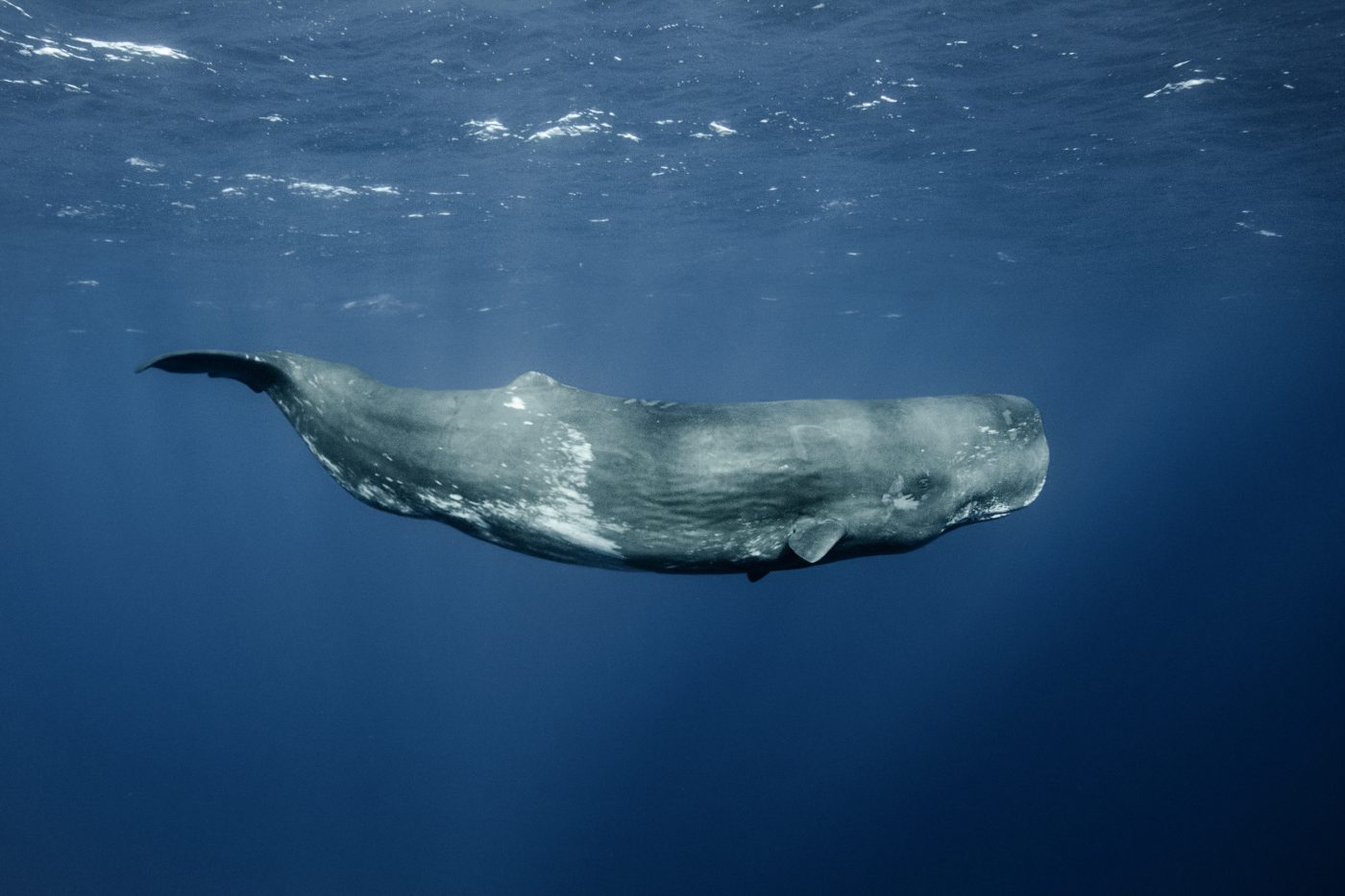
Whales, dolphins, and porpoises (collectively known as cetaceans) are among the most efficient swimmers ever to inhabit the oceans. Yet their ancestors once walked on land. How did these mammals undergo such a dramatic transformation, evolving from four-legged terrestrial animals into masters of aquatic motion? This talk explores the hydrodynamics of cetacean swimming and the evolutionary journey that made it possible.
We will examine how cetaceans use oscillatory, tail-driven propulsion, powered by horizontal tail flukes that generate lift-based thrust. Unlike fish, which typically move their tails side-to-side, cetaceans swim with up-and-down motions of the spine, an inheritance from their mammalian ancestry. This distinction has profound consequences for how force is produced and how energy is transferred through the body.
We will examine how cetaceans use oscillatory, tail-driven propulsion, powered by horizontal tail flukes that generate lift-based thrust. Unlike fish, which typically move their tails side-to-side, cetaceans swim with up-and-down motions of the spine, an inheritance from their mammalian ancestry. This distinction has profound consequences for how force is produced and how energy is transferred through the body.
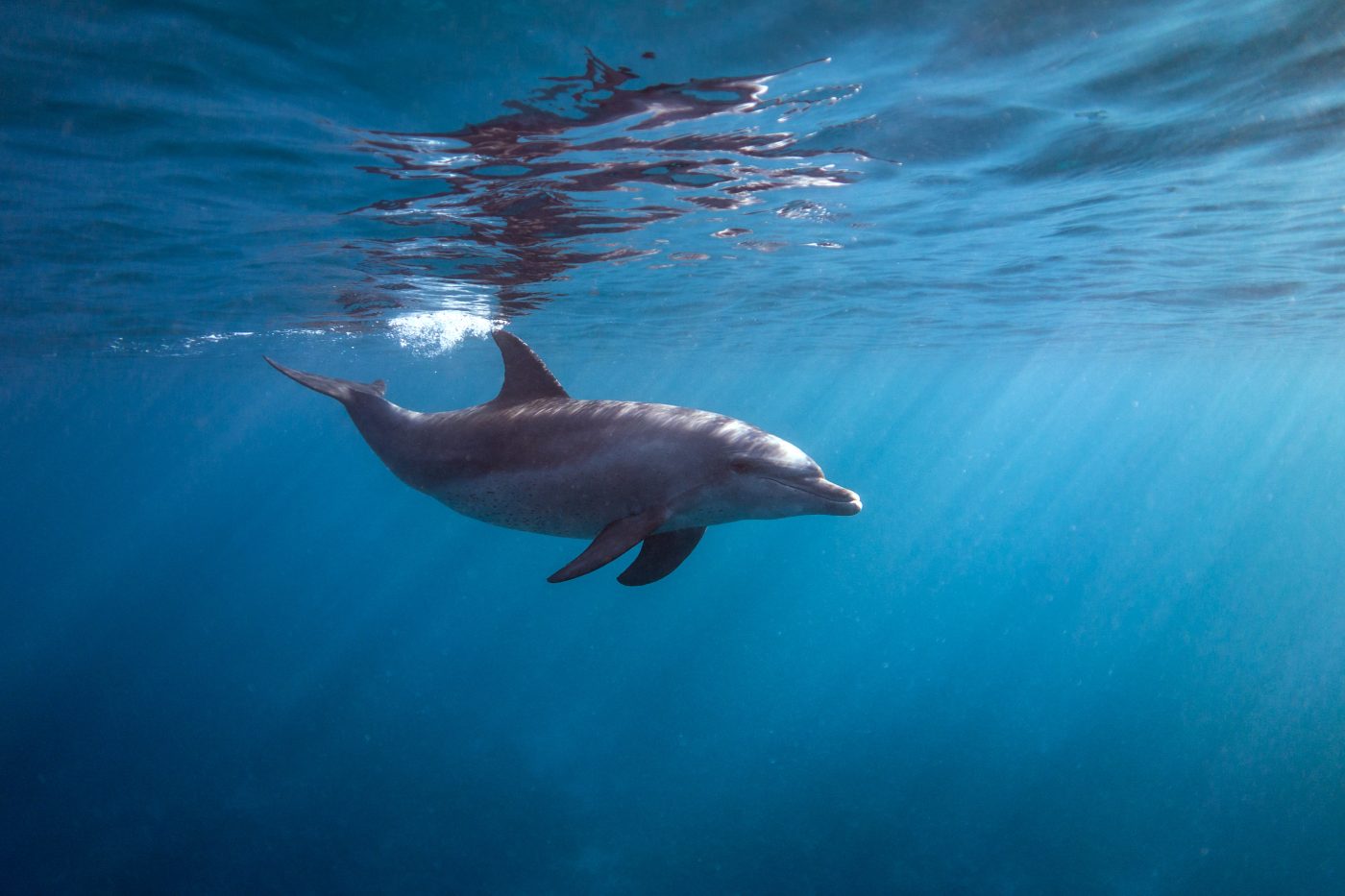
At the core of their efficiency is a highly streamlined body plan. We will explore how fusiform shapes minimize drag, how compliant skin and blubber layers may influence flow over the body, and how features like dorsal fins and flippers contribute to stability and control. From the burst speeds of dolphins to the long-distance cruising of migrating whales, cetaceans demonstrate a range of performance strategies tuned to different ecological demands.
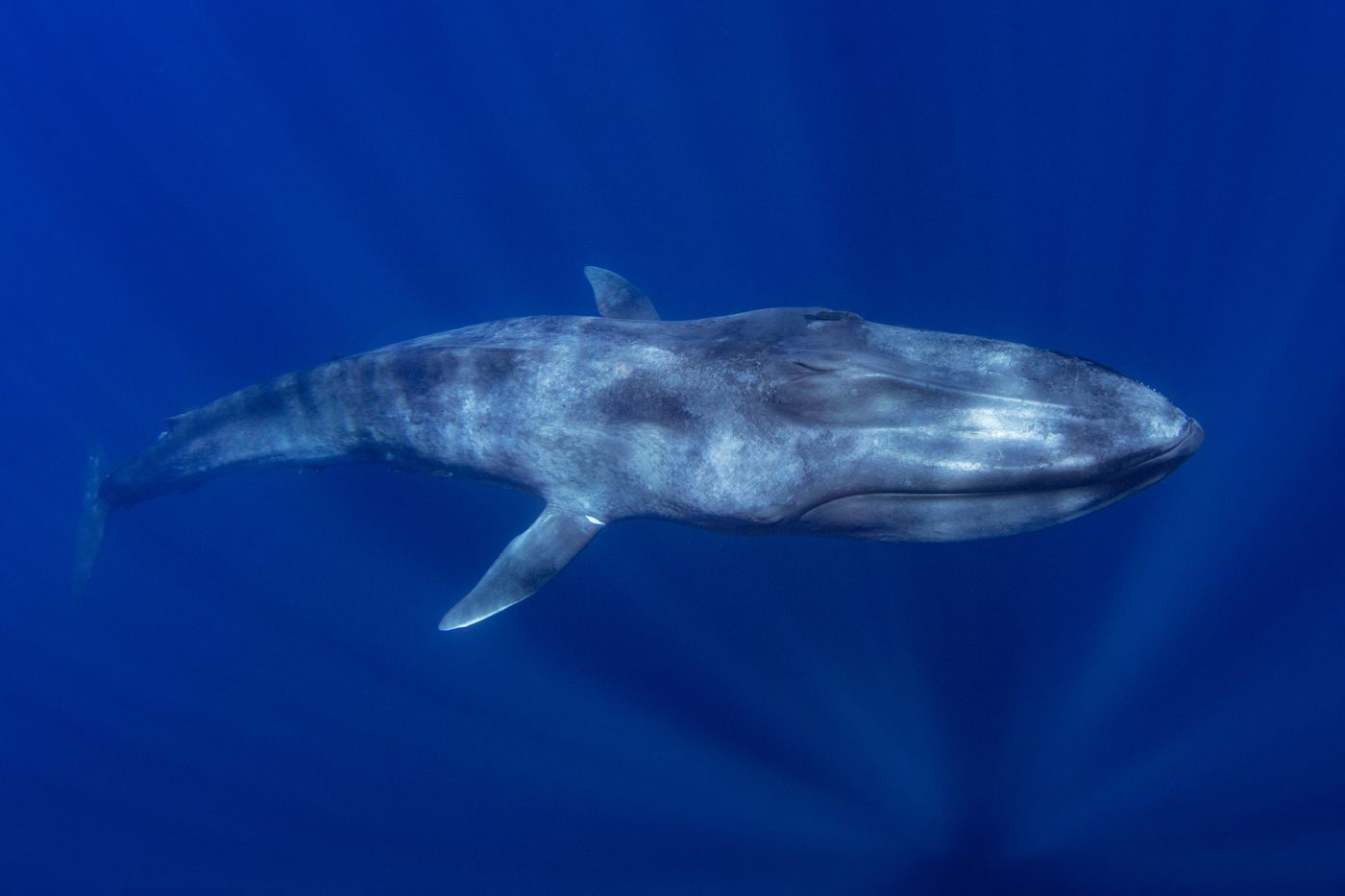
Crucially, these hydrodynamic solutions are deeply rooted in evolutionary history. We will trace the transition from early semi-aquatic mammals to fully marine cetaceans, highlighting how changes in limb structure, spinal flexibility, and body proportions enabled increasingly effective swimming. Why did cetaceans abandon hind limbs? How did forelimbs become control surfaces? And what constraints did their terrestrial origins impose on their movement?
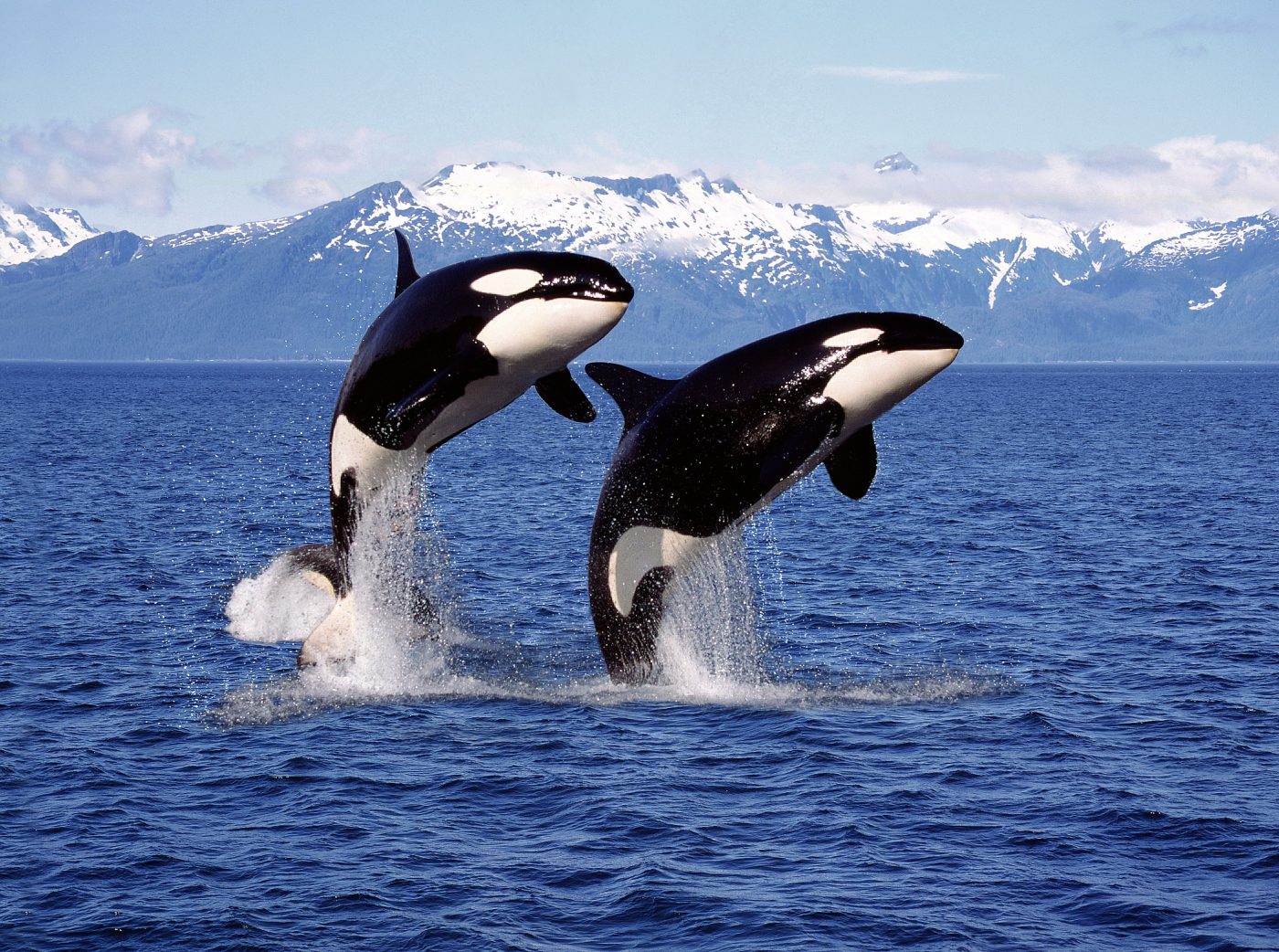
By comparing cetaceans with fish, reptiles, and even other marine mammals, this talk reveals how similar physical challenges can yield different solutions depending on evolutionary starting points. Blending fluid dynamics with evolutionary biology, we uncover how cetaceans became not just inhabitants of the ocean, but some of its most refined and powerful swimmers.
Join us to explore how a return to water reshaped mammalian bodies, and produced some of the most iconic swimmers on Earth.
Join us to explore how a return to water reshaped mammalian bodies, and produced some of the most iconic swimmers on Earth.